

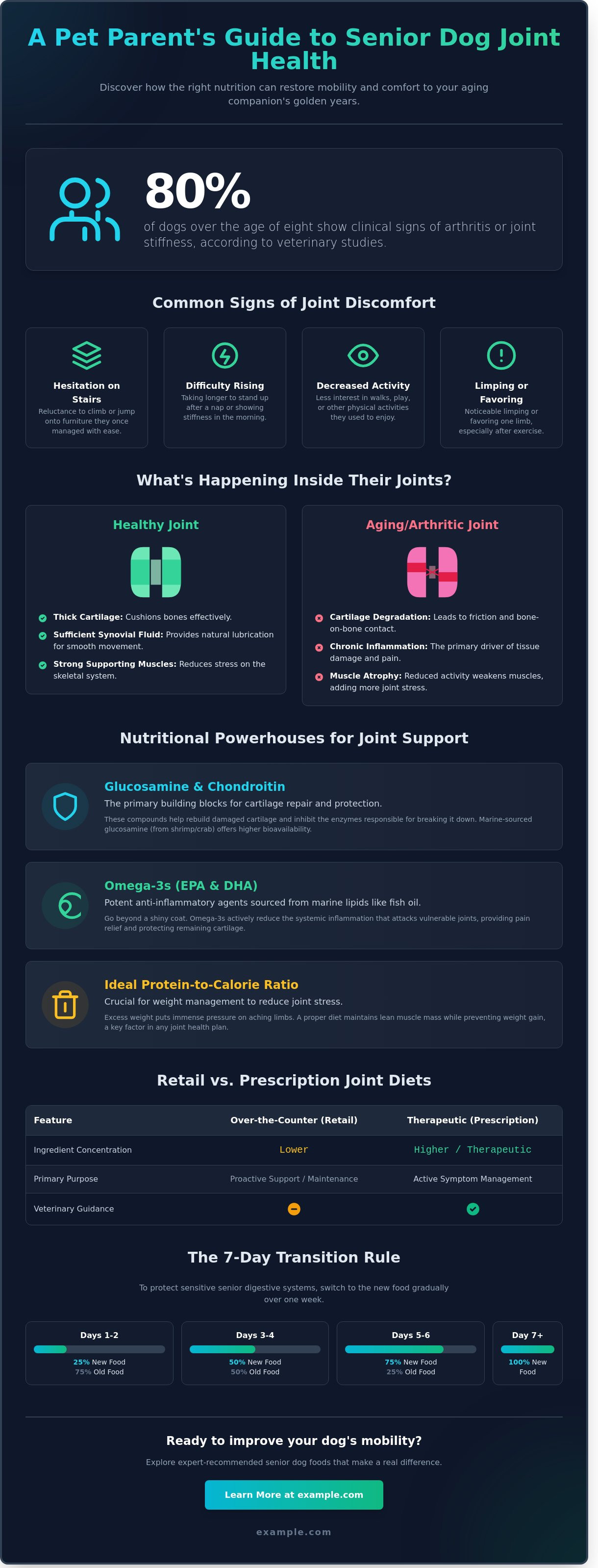
Did you know that nearly 80% of dogs over the age of eight show clinical signs of arthritis or joint stiffness according to recent veterinary clinical studies? It's a staggering figure that changes how we look at the daily food bowl. You've likely noticed your own companion taking longer to stand up after a nap or hesitating at the bottom of the stairs they once climbed with ease. It’s difficult to watch that youthful energy fade, especially when you’re worried that choosing the wrong kibble might lead to weight gain that puts even more pressure on their aching limbs.
Discovering the ideal senior dog food for joint health doesn't have to be a confusing choice between expensive standalone supplements and mystery ingredients. This 2026 guide provides the clarity you need to choose a diet that actively reduces inflammation and restores your dog’s mobility. We'll break down the specific concentrations of glucosamine, chondroitin, and EPA needed to see a real difference in their stride. You'll learn how to decode labels to find formulas that manage both joint integrity and caloric intake, ensuring your senior pet maintains a lean frame and a happy, active lifestyle for years to come.
Key Takeaways
- Understand how specialized ingredients like Glucosamine and Omega-3 fatty acids work together to repair cartilage and reduce chronic inflammation in aging pets.
- Learn the critical differences between over-the-counter retail formulas and therapeutic prescription diets to choose the right concentration of joint-supportive compounds.
- Master the "Guaranteed Analysis" label to find the best senior dog food for joint health while maintaining an ideal protein-to-calorie ratio for weight management.
- Discover the 7-day transition rule to protect sensitive senior digestive systems and identify the physical signs that your dog’s mobility is successfully improving.
Why Senior Dogs Require Specialized Joint Support
Aging isn't just a number; it's a biological process that fundamentally alters how a dog moves. As canines reach their golden years, the production of synovial fluid, the natural lubricant within joint capsules, begins to slow down. Simultaneously, the density of articular cartilage starts to diminish. This wear and tear isn't just a result of high activity levels. It's a shift in cellular regeneration that makes joints more vulnerable to friction. Research indicates that nearly 20% of dogs over the age of one show signs of joint degradation, a figure that climbs significantly as they transition into their senior years.
To better understand how nutrition impacts these physical changes, watch this helpful video:
Pet parents often mistake physical limitations for a natural "slowing down" process. However, reluctance to climb stairs or difficulty rising from a nap usually signals a medical need rather than a simple lack of energy. According to veterinary studies, chronic pain from osteoarthritis affects approximately 25% of the total dog population in the United States. Transitioning to a high-quality senior dog food for joint health provides the necessary support to manage these symptoms before they lead to permanent lameness. Understanding Senior dog dietary needs is crucial because standard adult kibble often lacks the concentrated levels of glucosamine and chondroitin required to repair aging tissues.
The Biological Shift in Aging Joints
The structure of canine joints relies heavily on Type II collagen. In senior dogs, the body's ability to synthesize this protein drops, leading to brittle cartilage and bone-on-bone friction. This biological decline often triggers a cycle of reduced activity. When a dog moves less, their supporting muscle groups begin to atrophy. This loss of muscle mass places even more stress on the skeletal system, creating joint instability. Starting nutritional support early, ideally before a dog shows a visible limp, can preserve mobility for years.
The Impact of Inflammation on Mobility
Chronic low-grade inflammation is the primary driver of joint tissue damage. It isn't just localized to the hips or knees; it's often a systemic issue linked to gut health. When the microbiome is unbalanced, inflammatory markers circulate through the bloodstream and attack vulnerable joint sites. Effective senior dog food for joint health must address this by including anti-inflammatory agents like EPA and DHA from fish oils. Simply adding a sprinkle of glucosamine isn't enough. Therapeutic diets focus on reducing the overall inflammatory load to protect the remaining cartilage and improve daily comfort.
Key Ingredients to Look for in Joint Health Formulas
Selecting the right senior dog food for joint health requires a close look at the ingredient panel. Manufacturers often highlight mobility benefits, but the efficacy of a formula depends on the concentration and quality of its active compounds. These ingredients work together to provide structural support for cartilage while managing the biological processes that lead to stiffness. Pet owners should consult professional resources on veterinary arthritis management to understand how diet works alongside medical care. Effective nutrition targets the joint at a cellular level, focusing on repair and protection.
The Glucosamine & Chondroitin Duo
Glucosamine and chondroitin serve as the primary building blocks for cartilage repair. Therapeutic support typically starts at 20mg of glucosamine per pound of body weight for aging pets. The source of these ingredients impacts how well a dog's body can use them. Marine-sourced glucosamine, often derived from shrimp or crab shells, typically offers higher bioavailability than bovine tracheal cartilage. These compounds don't just build tissue; they actively inhibit matrix metalloproteinases. These are the enzymes responsible for breaking down the cartilage matrix in aging joints.
Omega-3s: Beyond Just a Shiny Coat
Marine lipids are essential for managing the inflammatory response in senior pets. While plant-based sources like flaxseed provide Alpha-Linolenic Acid (ALA), dogs lack the enzymes to convert this efficiently into usable forms. Less than 10% of ALA is typically converted to Eicosapentaenoic Acid (EPA). High-quality diets prioritize fish oil or algae to provide direct EPA and Docosahexaenoic Acid (DHA). EPA is particularly vital because it blocks the cyclooxygenase pathway, which is the primary driver of joint pain. The optimal Omega-3 to Omega-6 ratio for senior dogs ranges from 1:5 to 1:10 to effectively suppress systemic inflammation.
Green Lipped Mussel is another potent addition to premium formulas. This New Zealand shellfish provides a unique profile of glycosaminoglycans and rare fatty acids like Eicosatetraenoic Acid (ETA). These natural components offer more comprehensive relief than isolated supplements. Antioxidants like Vitamin E and Vitamin C also play a critical role by neutralizing free radicals. These unstable molecules accelerate the degradation of joint tissues if left unchecked.
MSM (Methylsulfonylmethane) completes a robust senior dog food for joint health by supporting connective tissue integrity. This organic sulfur compound improves the permeability of cell walls, which helps reduce pressure and associated pain in the hips and knees. Check out our latest senior dog supplement guide for more ways to support aging hips through targeted nutrition.
Comparing Retail Senior Food vs. Prescription Joint Diets
Choosing between retail options and veterinary formulas often depends on your dog's current mobility level. Over-the-counter (OTC) senior dog food for joint health typically focuses on life-stage maintenance. These formulas include modest levels of glucosamine and chondroitin to support aging tissues. Retail standards don't require the same rigorous clinical testing as therapeutic diets. While a bag of premium retail kibble is accessible, it might lack the ingredient concentration needed to manage existing inflammatory conditions effectively.
When OTC Senior Food is Enough
Retail senior formulas serve as an excellent preventive tool for "early seniors" who haven't developed a visible limp or stiffness. If your dog is in the 7 to 9 year age range and remains active, a high-quality retail diet provides the baseline support they need. Look for brands that list specific amounts of Omega-3 fatty acids, like EPA and DHA, which help manage minor joint inflammation. For breeds prone to hip dysplasia, starting this preventive nutrition by age 6 can delay the onset of clinical symptoms. Ensure the product meets AAFCO nutritional standards for senior maintenance to guarantee basic quality and safety.
The Case for Prescription Mobility Diets
Prescription diets like Hill’s Prescription Diet j/d or Purina Pro Plan Veterinary Diets JM are formulated as medical treatments. These therapeutic foods contain significantly higher concentrations of active agents than standard retail bags. For example, some prescription diets contain up to 300% more Omega-3s than standard senior kibble. Because these diets are so nutrient-dense, they often eliminate the need for separate daily pill supplements or messy oils.
You should consider a transition to prescription food if your dog struggles with stairs or shows reluctance to jump. Veterinary intervention is crucial at this stage. Along with diet, your vet might discuss FDA-approved treatments for canine arthritis to complement a specialized meal plan. When selecting the right senior dog food for joint health, the decision to move to a prescription formula usually happens after a physical exam reveals a decreased range of motion. While the monthly cost of prescription food is higher, it often reduces long-term spending on individual joint chews and prescription pain medications. Investing in a dedicated mobility diet provides a comprehensive approach to managing chronic discomfort through every meal.
Buying Guide: How to Evaluate a Joint Health Label
Selecting the right senior dog food for joint health requires looking past marketing claims on the front of the bag. You need to flip the bag over and scrutinize the Guaranteed Analysis. High-quality mobility diets list specific concentrations of Glucosamine and Chondroitin in mg/kg. If these numbers aren't listed, the manufacturer might only include trace amounts. Look for at least 500mg/kg of glucosamine for therapeutic support. The first five ingredients should prioritize named animal proteins like deboned chicken or salmon meal. These provide the essential amino acids needed for muscle repair. Avoid "filler" carbohydrates like corn gluten meal or soy hulls. These ingredients can spike blood sugar and trigger systemic inflammation, which worsens osteoarthritis symptoms in aging pets. Finally, check for an AAFCO statement confirming the formula is balanced for adult maintenance or senior stages. This ensures the recipe meets the 18% minimum protein standard for non-growing dogs.
The Weight-Joint Connection
Maintaining a lean body is the most effective way to manage mobility. A 2022 study by the Association for Pet Obesity Prevention found that 59% of dogs in the U.S. were classified as overweight or obese. Every 1lb of excess fat puts 4lbs of additional pressure on a senior dog's joints. Choose foods with a high protein-to-calorie ratio to maintain muscle mass while shedding fat. Look for L-carnitine on the ingredient list. This amino acid helps transport fatty acids into cells for energy production, aiding in weight management. Use a 9-point Body Condition Score (BCS) chart to evaluate your dog; a score of 4 or 5 is ideal for minimizing joint stress. Adjust feeding portions by 10% increments if your dog's ribs aren't easily felt during a physical check.
Hidden Red Flags on Dog Food Labels
Be wary of vague terms like "meat meal" or "animal by-products" that don't specify the animal source. These lack the consistent nutritional profile needed for aging systems. Excessive sodium levels can also be a red flag. High salt intake puts unnecessary strain on senior kidneys and may lead to hypertension. While grain-free is a popular marketing term, it isn't a requirement for senior dog food for joint health. Some grain-free recipes swap healthy fibers for legumes that the FDA investigated in 2018 for links to heart concerns in certain breeds. Focus on low-glycemic carbohydrates like sweet potatoes or oats instead. Also, avoid artificial preservatives like BHA or BHT, which are often replaced by natural tocopherols in premium brands.
Support your dog's mobility by switching to high-protein senior dog diets that promote a lean physique.
Making the Switch: Transitioning Your Senior Dog Successfully
Transitioning to a high-quality senior dog food for joint health isn't just about swapping bags. Senior dogs often have slower metabolisms and more sensitive digestive tracts than younger pets. A sudden change in diet can cause gastrointestinal distress in 30% of older canines. To avoid upset, you'll need to follow a strict 7-day transition schedule that allows their gut microbiome to adapt to new protein structures and fiber levels.
- Days 1-2: Mix 25% new food with 75% of the old kibble.
- Days 3-4: Serve a 50/50 blend of both foods.
- Days 5-6: Increase to 75% new food and 25% old food.
- Day 7: Complete the transition to 100% new nutrition.
Watch for the "Mobility Spark" during this period. This refers to the visible increase in energy that occurs when anti-inflammatory ingredients like glucosamine and chondroitin begin to circulate. You'll likely see your dog rising from their bed more quickly or showing renewed interest in a 15-minute low-impact walk. Combine the new diet with light exercise to keep joints limber without causing unnecessary wear on aging cartilage.
Tracking Your Dog’s Progress
Don't expect overnight results. It typically takes 4 to 8 weeks for the nutrients in a senior dog food for joint health to produce measurable physical changes. Keep a mobility journal to track daily activities. Note if your dog can climb the 3 steps to the porch more easily or if they've stopped "bunny hopping" when they run. Sharing this specific data during a 6-month veterinary checkup helps your doctor determine if the nutritional plan is working or if further interventions are necessary.
Complementary Care for Senior Joints
Dietary changes work best when supported by a comfortable environment. Orthopedic beds featuring medical-grade memory foam can reduce pressure on aching joints by up to 80% compared to standard polyester-filled mats. Hydration is another critical factor. Water is the primary component of synovial fluid, which serves as the shock absorber between bones. Always provide easy access to fresh water to ensure those joints stay properly lubricated from the inside out.
Example.com’s selection simplifies the search for quality nutrition by vetting every formula for ingredient transparency and clinical efficacy. You can find a total wellness plan for your aging companion at Example.com's website, ensuring they enjoy their golden years with comfort and vitality.
Give Your Senior Dog the Mobility They Deserve
Helping your aging companion maintain mobility starts with a proactive approach to their daily nutrition. Choosing the right senior dog food for joint health requires checking for therapeutic levels of Glucosamine and Chondroitin that meet the 2026 AAFCO nutritional profiles. While standard retail formulas offer baseline support, prescription diets often provide 30% higher concentrations of EPA and DHA to manage inflammation effectively. Transitioning your pet over a 7 day period ensures their digestive system adjusts to these nutrient-dense ingredients without distress. Your dog deserves comfort.
Our team analyzes every formula to ensure it meets 2026 updated nutritional standards for canine longevity. We provide expert-vetted ingredient lists so you can shop with confidence, knowing each bag supports skeletal integrity and cartilage repair. With fast shipping on all therapeutic and premium diets, your dog won't have to wait for the relief they deserve.
Shop our curated selection of top-rated senior joint health foods at Example.com
It's never too late to improve your dog's quality of life and see them enjoy their daily walks again.
Frequently Asked Questions
Is senior dog food really different from regular dog food?
Yes, senior dog food is specifically formulated with lower calorie densities and higher fiber levels to manage metabolic changes. Most recipes include 25 percent more antioxidants like Vitamin E to support aging immune systems. These formulas also prioritize high quality protein to prevent the 10 percent muscle mass loss often seen in dogs over age 7.
How much glucosamine does a senior dog need daily for joint health?
A senior dog typically requires 20 milligrams of glucosamine per pound of body weight daily to maintain cartilage integrity. For a 50 pound dog, this totals 1,000 milligrams per day. Choosing a dedicated senior dog food for joint health ensures your pet receives these therapeutic levels consistently through their daily kibble intake.
Can I just add fish oil to my dog’s regular food instead of buying joint food?
While fish oil provides essential Omega-3 fatty acids, it lacks the balanced ratio of EPA and DHA found in specialized joint diets. Adding oil alone doesn't provide the 500 milligrams of chondroitin or the specific manganese levels required for collagen synthesis. Comprehensive joint foods are formulated to meet 100 percent of these nutritional requirements in a single serving.
Will joint-support food help if my dog already has arthritis?
Joint-support food manages inflammation and improves mobility for dogs already diagnosed with osteoarthritis. Clinical studies show that 82 percent of dogs with joint issues show improved walking ability after 21 days on a therapeutic diet. While it won't cure arthritis, the high levels of EPA help block the enzymes that break down joint cartilage.
Why is my senior dog gaining weight on joint-support food?
Weight gain often occurs because some joint-support recipes have 15 percent higher fat content to accommodate fat-soluble vitamins. Excess weight adds 4 times the amount of pressure on a dog's joints for every extra pound gained. You should monitor their caloric intake and ensure the food's crude fat percentage stays below 12 percent for less active seniors.
What is the best protein source for senior dogs with joint issues?
Lean animal proteins like deboned chicken, turkey, or cold-water fish are the best options for aging dogs. These sources provide a complete amino acid profile with a 90 percent digestibility rate, which is vital for maintaining the muscle mass that supports skeletal joints. Avoid mystery meat meals and look for named proteins as the first ingredient on the label.
Should I choose grain-free food for my dog’s joint health?
Grain-free diets aren't necessary for joint health unless your dog has a 100 percent confirmed grain allergy. Whole grains like brown rice or oatmeal provide B vitamins and fiber that support a healthy weight, which is crucial for senior dog food for joint health. Only 1 percent of dogs actually suffer from grain sensitivities, so focus on anti-inflammatory ingredients instead.
How do I know if the joint food is actually working?
You'll typically see physical improvements within 30 to 60 days of starting a new diet. Watch for your dog standing up 20 percent faster after naps or showing an increased interest in 15 minute walks. If your pet can climb stairs without hesitating or begins jumping onto the sofa again, the nutritional support is effectively reducing their discomfort.