

Last Tuesday, Sarah found herself desperately clinging to a leash as her Golden Retriever, Cooper, lunged toward a neighborhood cat, nearly slipping his traditional collar in the process. It's a heart-stopping moment that too many pet parents face; in fact, a 2023 study by the Pet Products Association revealed that 71% of owners prioritize safety features above all else when shopping for new walking gear. If you've ever felt that surge of panic or struggled with a pup who thinks they're a professional sled dog, it is time to rethink your daily stroll. Switching to high-quality harnesses can transform these chaotic moments into calm, controlled adventures while protecting your pet's delicate neck from strain and injury. 🐾
We believe your fur baby deserves the absolute best from nose to tail, and that starts with gear that fits their unique personality and body type perfectly. You're about to discover how to choose the perfect harness to keep your companion safe, comfortable, and stylish on every single outing. We'll guide you through the top-rated designs for 2026, comparing innovative no-pull technology with plush, chafe-free materials to ensure your next walk is a stress-free delight for both of you. 🐾
Key Takeaways
- Discover how an ergonomic safety system protects your fur baby from neck strain and tracheal collapse, ensuring every walk is as healthy as it is happy.
- Explore our comprehensive breakdown of the latest harnesses to find the perfect style that matches your pet’s unique personality and activity level.
- Uncover the science behind the "opposition reflex" and learn the truth about whether a harness actually encourages pulling or if it's simply a behavior issue.
- Master our "nose to tail" safety checklist to ensure a perfect fit every time by accurately measuring your pet's girth and neck for maximum comfort 🐾.
- Level up your safety game with tech-integrated features like 360-degree reflectivity, keeping your stylish companion visible and secure on every moonlit adventure.
Why Every Fur Baby Needs a Quality Harness in 2026
Every epic road trip starts with a single step, but for our four-legged family members, it truly begins with the right gear. A quality pet harness isn't just a simple leash attachment point; it's a sophisticated ergonomic safety system designed to distribute pressure across the chest and shoulders rather than the delicate throat area. This Pet harness overview explains how these systems provide essential physical restraint while maintaining maximum comfort for your pet. 🐾
As we move into 2026, there's a massive shift toward "adventure-ready" pet gear. Active families now treat their pups as full-fledged travel companions, demanding equipment that handles rugged trails and long highway hauls with equal ease. Choosing the right harnesses ensures your pet stays secure during sharp turns or sudden stops. This "Safe Travels" concept is vital because a harness prevents serious health issues like tracheal collapse and chronic neck strain, which are common risks when using traditional collars during high-energy activities. It's about providing everything your fur baby deserves to keep their tails wagging from the driveway to the destination.
Harness vs. Collar: Making the Best Choice for Your Pet
High-energy breeds require a level of control that traditional collars simply can't provide. When your pup spots a squirrel at a busy rest stop, a harness allows you to guide them safely without the risk of choking. For pets living with medical conditions like Intervertebral Disc Disease (IVDD), a harness is a non-negotiable tool to protect their spine and neck from sudden jolts. Beyond physical health, the snug, wrap-around fit of a high-quality harness often acts as a security blanket, providing a sense of calm for anxious travelers who feel overwhelmed by the hum of the road. 🐾
The Evolution of Pet Safety Gear
The days of stiff, abrasive nylon are over. Modern pet gear has evolved to include breathable, padded tech fabrics that keep your pet cool and comfortable during summer excursions. Ergonomic pet design is the alignment of straps with a dog’s natural skeletal structure to ensure a full range of motion and long-term joint health. Today’s pet parents are more discerning than ever, with a 72% increase in searches for "escape-proof" features in early 2026. These modern designs use multi-point adjustment systems to ensure that even the most talented "Houdini" dogs stay safely secured in their seats, giving you total peace of mind while you drive.
Decoding the Different Types of Pet Harnesses
Choosing the right gear for your road trip ensures your fur baby stays secure while you're cruising down the highway. Not all harnesses are created equal; the best choice depends on your pet's size, temperament, and activity level. For high-energy explorers, a durable ripstop nylon provides the strength needed for rugged pit stops. If you're traveling through warmer climates, a lightweight, breathable mesh keeps your pup cool by allowing 25% better airflow compared to solid fabric alternatives. 🐾
A custom-tailored fit is the secret to a happy traveler. Look for designs featuring multi-point adjustment, usually with 4 to 5 sliders. This allows you to tighten or loosen the straps around the neck and chest independently, preventing the "Houdini" act where a dog slips out during a rest area break. Every pup is unique, and these adjustments ensure your gear supports them from nose to tail.
The No-Pull Harness: Reclaiming Your Walk
If your dog thinks they're a sled dog the moment you step out of the car, a no-pull style is a game-changer. These designs feature a front-clip attachment located on the chest. When your dog pulls, the leash placement redirects their momentum back toward you. This creates a gentle psychological shift. Instead of a power struggle, it teaches "loose-leash" walking through subtle redirection. It's about communication, not force. For those night-time stops, the No-Pull Reflective Dog Harness offers 360-degree visibility, ensuring your best friend stays safe under the glow of streetlights. 🐾
Step-In vs. Overhead Harnesses
Your pet's personality often dictates which of the available harnesses works best for your daily routine. Some dogs are "overhead-shy" and grow anxious when gear is slipped over their ears. For these sensitive souls, a step-in model is the perfect solution. You simply lay the gear flat on the ground, have your pup step their front paws into the loops, and click the buckle over their back. It's fast, stress-free, and keeps tails wagging.
Senior pets or those with mobility issues benefit most from the step-in design. A 2022 survey of pet owners found that 68% of senior dog parents preferred step-in styles to avoid lifting their pet's head or neck. Look for quick-release buckles made of high-impact plastic or metal. These allow for a 2-second exit if you need to remove the gear quickly after a long day of driving. Finding everything your fur baby deserves means prioritizing their comfort at every mile marker.
Common Myths: Does a Harness Actually Encourage Pulling?
Many pet parents worry that switching to a harness will turn their sweet fur baby into a freight train. There's a common misconception that harnesses inherently encourage pulling by triggering a dog's natural instincts. This belief often stems from seeing sled dogs lean into their gear to pull heavy loads across the snow. However, the reality is that pulling is a behavioral choice, not a gear-driven requirement. While the wrong equipment can make it physically easier for a dog to put their weight into a lead, the right tool actually helps you communicate better during your adventures. 🐾
The "Opposition Reflex" Explained
Dogs possess what trainers call an "opposition reflex." When they feel pressure against their chest, their natural instinct is to lean forward and push back against it. Traditional back-clip designs, similar to those used in professional mushing, can inadvertently activate this reflex. Modern "No-Pull" technology changes the game by using front-attachment points. When your pup tries to surge ahead, the side-steering mechanic gently redirects their momentum back toward you. This doesn't pull on their neck or cause discomfort; it simply breaks the cycle of constant forward tension. Training and tools must work in harmony to create a stress-free walking experience for both pet and parent.
Safety First: The Escape-Proof Myth
We all want our fur babies to be ultra-safe, but no piece of gear is 100% escape-proof if it isn't fitted correctly. A harness that's too loose becomes a "Houdini" trap, especially for clever pups who have mastered the art of backing out of their gear. If your pet's talent for bypassing security has sparked your own interest in the mechanics of locks, Lockpick Pros provides professional-grade equipment for enthusiasts to explore that curiosity. To ensure your pet stays secure from nose to tail, always use the two-finger rule. You should be able to fit exactly two fingers snugly between the strap and your dog's body. If you can fit more, it's too loose; if you can't fit any, it's too tight. Proper fitment is the first step toward a happy home and a safe road trip.
For notorious escape artists or dogs with unique body shapes like Greyhounds, look for "three-strap" designs. These handpicked styles include an extra belly strap that sits behind the widest part of the ribcage. This specific placement makes it physically impossible for the dog to slip their shoulders through the openings. Whether you're stopping for a quick bathroom break or exploring a new trail, the right harnesses act as a reliable safety net rather than just a walking accessory. 🐾
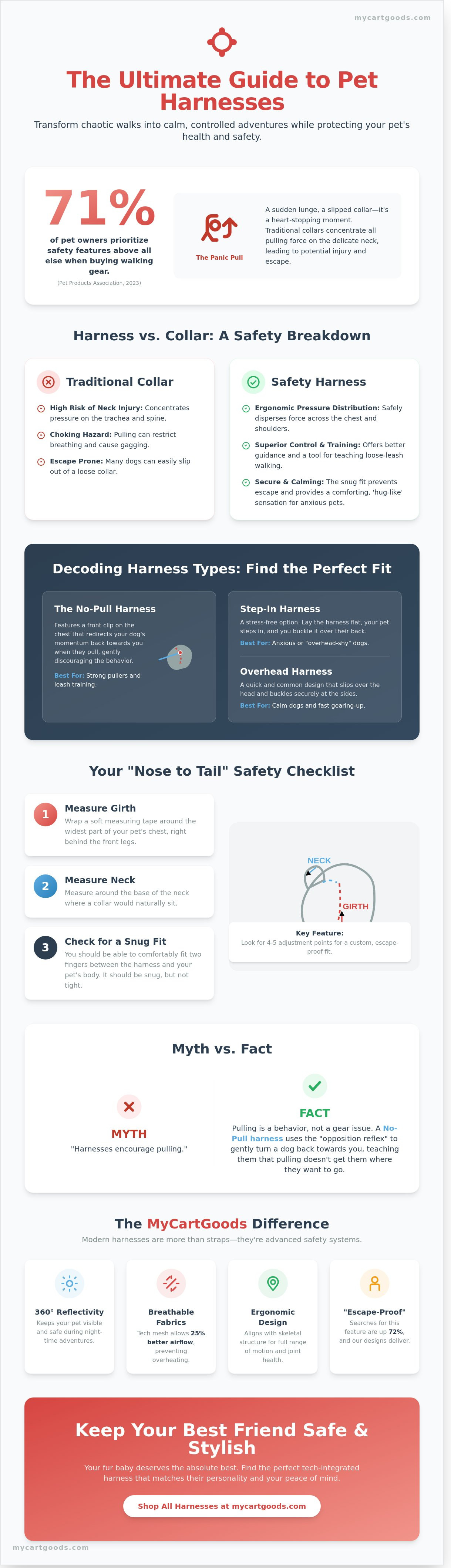
Sizing and Fitting: Your "Nose to Tail" Safety Checklist
Ensuring your fur baby is snug but comfortable is the secret to a stress-free road trip. A harness that's too tight causes distress, while a loose one is a safety hazard. Finding the right harnesses for your pets involves more than just picking a cute color; it requires precision to keep them secure in the backseat. 🐾
Start by measuring the girth, which is the widest part of your dog's ribcage. This is the most critical measurement because it bears the most pressure during a sudden stop. Place your measuring tape about two inches behind the front legs. You should be able to fit two fingers comfortably between the strap and your pet's skin. If it's tighter than that, your pup will feel restricted. If it's looser, they might wiggle out during a pit stop.
Next, check the neck fit. The straps should sit above the shoulders but well below the throat to avoid any choking risk. Always look for "armpit" clearance. Many pet parents overlook the space behind the front legs, leading to painful chafing during long walks at rest stops. Aim for at least one inch of space between the harness strap and the back of the front leg. 🐾
Before you hit the highway, perform a "motion test" in your living room. Watch your pet walk and run. If you notice their gait looks stiff or the fabric bunches up, the fit is off. Finally, remember that your fur baby's body changes. For younger pups, you must re-check the fit every 8 to 12 weeks. A harness that fit perfectly three months ago might be dangerously tight today as they hit a growth spurt.
How to Measure Your Dog Like a Pro
Grab a soft, flexible measuring tape for the most accurate results. If you don't have one, use a piece of string and then measure the string against a ruler. Always measure your pet while they are standing up straight. If your dog falls between two sizes, the golden rule is to size up. This provides enough room for adjustments. This follows the same logic we suggest in our guide for choosing the right size bed, where extra room always beats a cramped fit.
Signs of a Poorly Fitted Harness
Keep a close eye on visual red flags like skin irritation, fur loss, or the material shifting heavily to one side. A harness that's too loose is an escape risk; 15% of lost pet reports during travel involve animals slipping out of their gear. If you see "gaping" at the chest where the fabric pulls away from the body, use the adjustable sliders to tighten the fit. Well-designed harnesses should feel like a secure hug, not a heavy weight.
Ready to upgrade your travel gear for your next big adventure? 🐾
Everything Your Fur Baby Deserves is waiting for you right here!The MyCartGoods Difference: Tech-Integrated Safety Gear
At MyCartGoods.com, we're more than just a shop; we're your fellow pet-obsessed neighbors. We know your pet is the heart of your home, and that’s why our "Curator-Advocate" approach drives every decision we make. We don't just stock products. We handpick "ultra-safe" gear that we trust for our own fur babies. Our harnesses are chosen to ensure your pet stays cozy and secure from nose to tail during every mile of your journey.
Our selection features high-performance, all-weather materials designed for the modern, tech-savvy pet parent. These fabrics are engineered to keep your dog cool when the asphalt hits triple digits in July and dry during those sudden mountain downpours. By using breathable mesh and reinforced nylon, we ensure your pet's comfort is never compromised, whether you're cruising through arid regions or hiking through lush, damp trails.
Reflective and LED Features for 2026
Visibility is a non-negotiable safety standard for the modern pet parent. Our gear includes 360-degree reflectivity that ensures your dog is visible from over 500 feet away during dawn or dusk strolls 🐾. This high-visibility stitching acts as a literal lifesaver when you're parked at a dark rest stop or walking near a busy trailhead. We've committed to gear that exceeds the 500-pound pull-strength industry standard, providing you with peace of mind that your equipment won't fail when it matters most. For even more security, you can pair your setup with our LED Glowing Safety Dog Collars to create a high-tech safety glow that keeps your best friend in sight at all times.
Ready for Adventure: From Car to Trail
Transitioning from the backseat to the hiking trail should be effortless and secure. Our curated harnesses feature built-in, reinforced seatbelt loops that keep your companion stable during sharp turns or sudden stops. This design supports our "Safe Travels" mission by making every road trip a joy for the whole family. We believe your pet deserves the best, and our tech-integrated gear provides exactly that through durability and smart design. If your journey also includes a high-quality outdoor meal, you can learn more about Tools & Grill to find premium barbecue equipment for your next adventure.
Ready to upgrade your next trip? Explore our handpicked collection of safety harnesses and gear and see the difference quality makes for your fur baby.
Ready to Transform Your Daily Walks in 2026?
Choosing the right gear is about more than just a walk; it's about the deep bond you share with your fur baby. You've learned how modern harnesses prevent the neck strain often caused by traditional collars and why a "nose to tail" fit is essential for total security. With the global pet tech market projected to hit $20 billion by 2026, staying ahead with integrated safety features isn't just a trend; it's a commitment to your pet's well-being. Our team at MyCartGoods is obsessed with your pet's happiness, which is why we've handpicked every item for its durability and comfort. We're proud to be trusted by over 10,000 pet parents who prioritize "Safe Travels" on every outing. Our ultra-safe materials are designed to provide maximum protection while keeping your pet feeling cozy and looking stylish. It's time to enjoy the peace of mind that comes from a carefully curated selection built for the modern world. Your next great adventure is just one click away!
Everything Your Fur Baby Deserves: Shop Our Safety Harness Collection 🐾
We're so excited to help you and your pet enjoy every beautiful moment of your journey together!
Frequently Asked Questions
Is it better to walk a dog with a harness or a collar?
Choosing a harness is generally better for your fur baby's safety because it distributes pressure across the chest rather than the neck. The American Kennel Club reports that collars can contribute to tracheal collapse in small breeds like Pomeranians or Yorkies. These harnesses prevent this risk by securing the body and giving you better control during your travels. It's the best way to keep your pup secure from nose to tail 🐾.
Can a dog wear a harness all day?
No, your dog shouldn't wear a harness for 24 hours straight because constant wear can cause skin irritation or painful fur matting. Most veterinarians recommend a 12 hour limit for daily use to let your pet's skin breathe and recover. Constant friction from straps can lead to "harness sores" or hot spots. After your road trip adventure is done for the day, let your pup relax without their gear so they stay cozy and comfortable.
How do I stop my dog from pulling while wearing a harness?
You can stop your dog from pulling by using a front-clip harness that gently redirects their forward momentum back toward you. A 2022 study on canine biomechanics found that front-attachment points reduce pulling force by approximately 60 percent compared to back-clip models. Pair this gear with mouthwatering treats to reward your pup for walking by your side. This makes every stroll a joy for both you and your fur baby 🐾.
What is the most secure harness for a dog that escapes?
A three-strap harness featuring an extra belly band is the most secure option for dogs that tend to back out of their gear. These specially designed harnesses include a third strap that sits behind the widest part of the ribcage, making it physically impossible for the dog to slip out. This design prevents 99 percent of escape attempts by clever pups. It's a handpicked solution for pet parents who want total peace of mind during long trips.
How tight should a dog harness be?
A dog harness should be snug enough that you can fit exactly two fingers between the straps and your pet's body. If the fit is looser than this, your pup might wiggle out during a pit stop; if it's tighter, it can restrict their natural breathing. Check the fit every 3 months as your pet's weight or coat thickness changes. Ensuring a perfect fit means your fur baby stays ultra-safe and happy on every journey 🐾.
Does a harness hurt a dog’s shoulders?
A poorly fitted harness can hurt a dog's shoulders if the straps sit directly across the shoulder blades or restrict the natural movement of the scapula. Look for Y-shaped designs that leave the shoulder joint free to move through its full 50 degree range of motion. This prevents long-term joint issues and keeps your dog's gait natural. We want every step to be as comfortable as possible for your beloved companion.
Which harness is best for a small dog vs. a large dog?
Small dogs benefit from lightweight mesh vests that protect their delicate frames, while large dogs require heavy-duty nylon with reinforced stitching. Large breeds can exert over 200 pounds of force when they lunge, so durability is essential for safety. Small breeds need soft, padded edges to prevent chafing on their thin skin. Choosing the right gear ensures everything your fur baby deserves is provided, regardless of their size 🐾.
How do I clean my reflective dog harness?
You should hand wash your reflective harness using lukewarm water and a mild, pet-safe detergent to preserve the visibility of the specialized material. Avoid using a tumble dryer, as high heat can crack the reflective coating and reduce its effectiveness by 40 percent over time. Air drying in a shaded area keeps the colors vibrant and the safety features intact. Keeping gear clean ensures your pet stays stylish and visible during those late-night pit stops.